Why Do We Do Photography
Something catches your eye; you raise your camera, compose, and press the shutter button. And yet — why? Why do we do it?
It’s often said that in order to make a great image, you first need to understand why: what draws us to photography in the first place. The answer isn’t straightforward or always obvious. Photography is more than an image. It’s observation, attention, maybe even obsession. It’s a quiet thrill that keeps pulling you, keeps your finger twitching towards that shutter button.
This heightened state of seeing is not just a mental exercise; it is a physical commitment. It requires slowing down, stopping, and sometimes backtracking, forcing a disconnect from the modern rush. Photography gives you permission to stare. To truly absorb the texture of bark, the complex geometry of a street scene, or the subtle gradient of a fading sky. It’s an exercise in presence.
The simple act of raising the camera creates a frame, a defined boundary that separates the chaos of the world from a focused moment of contemplation. This boundary is where the magic happens. It’s where the internal dialogue quietens and the external world is allowed to speak—not in words, but in patterns, tones, and relationships.
It’s the closest many of us come to a genuine meditative practice, a moment of acute awareness where every sense is tuned to the immediate environment, ensuring that the details of life, otherwise filtered out as noise, are recognised as essential information. The camera becomes a conduit, a third eye that encourages us to look past the label of an object and see its form, its light, and its place in the world.
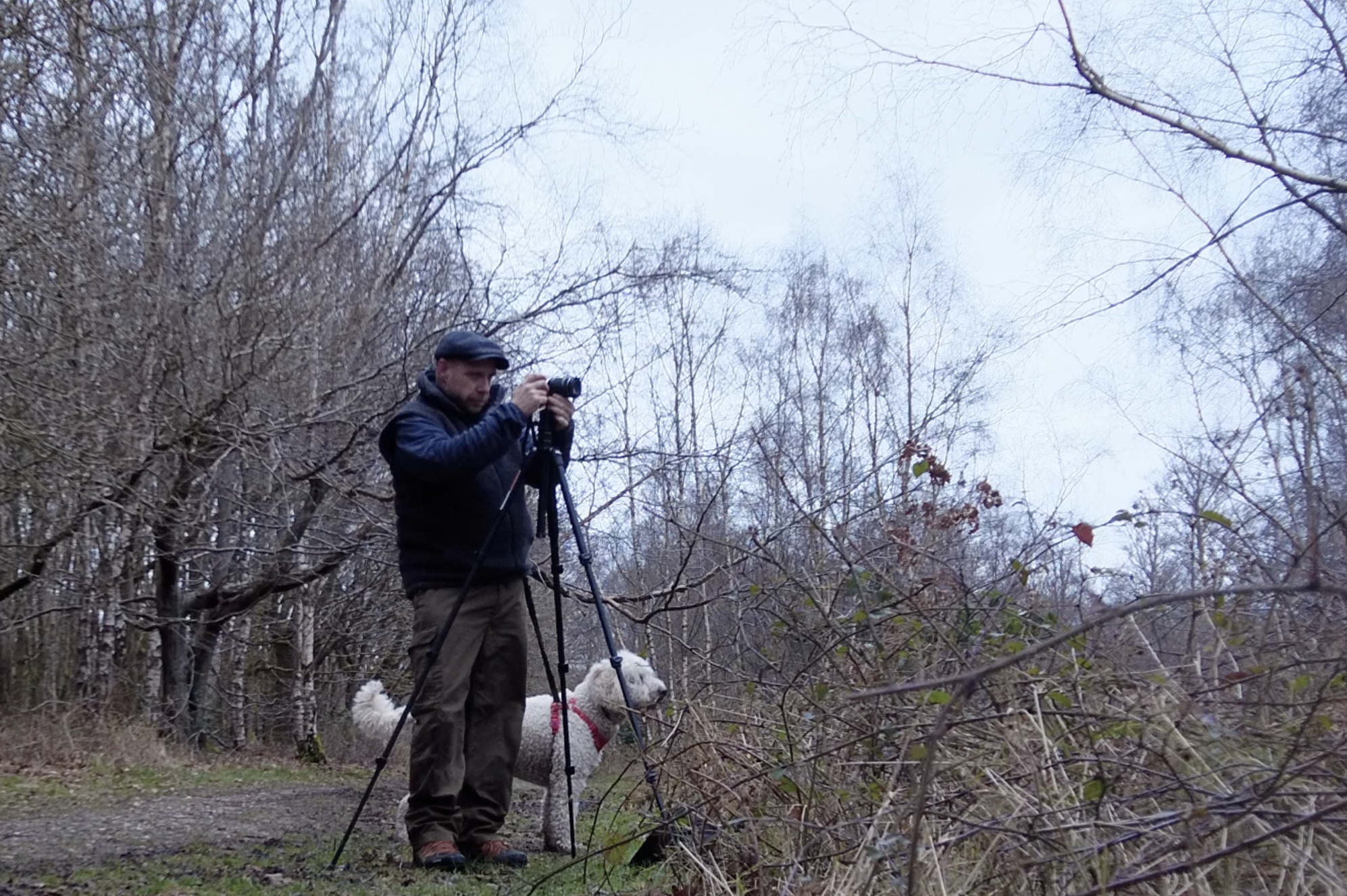
Penn Woods in the Chiltern Hills, Buckinghamshire.
The Discipline of the Craft
While the impulse to capture a moment is primal, the journey of photography quickly introduces the discipline of the craft. It moves beyond simply pressing a button to engaging with a sophisticated set of tools and principles.
The technical aspect—understanding aperture, shutter speed, ISO, and focal length—is not a hurdle to creativity, but a language that, once mastered, allows for unparalleled creative freedom. This technical knowledge provides the photographer with the ability to translate their inner vision into a tangible reality.
Consider the challenge of light. Light is not a constant; it is infinitely variable, temperamental, and the very essence of the medium. To photograph is to write with light. The photographer must learn to read the light, to predict how it will fall, how it will change a texture, or how a slight movement of the camera or the subject will alter the entire emotional tone of the scene. This relationship with light is what separates the casual snapshot from the intentional photograph. It requires a patient apprenticeship, often resulting in failed exposures and missed opportunities, but each failure is a lesson in control and anticipation.
This discipline extends into the quiet, solitary ritual of post-processing. The captured image is merely the raw material. The darkroom, whether chemical or digital, is where the final creative decisions are made. Dodging and burning, adjusting contrast, sharpening a detail, or converting to black and white are not merely corrective steps; they are acts of shaping, of refinement. They allow the photographer to steer the viewer's eye, to emphasise the original feeling, and to finally articulate the intent that was present at the moment of the shutter release.
The pursuit of technical mastery is the pursuit of a louder, clearer voice, ensuring that the finished piece is a true echo of the original vision. It is the joy of knowing the tools so intimately that they disappear, leaving only the act of creation.
Freezing Time
Days rush by, moments vanish, memories fade. And the camera? It’s a tiny anchor — a way to hold on to fragments of life. Family, birthdays, holidays, walks, landscapes, small gestures that might otherwise vanish. Simple scenes, quiet interactions, details of everyday life — all captured. Preserved.
The Thrill of Creation
Photography is like a puzzle: light, shadow, settings, timing, framing. Tiny choices that make something ordinary feel extraordinary. The smallest scene can transform if you look long enough, experiment enough, care enough.
There’s pleasure in taking the mundane and turning it into something new, in shaping what you see. Photography teaches patience, curiosity, care. And when the pieces of the puzzle fall into place, it gives us a sense of accomplishment, something to be proud of.
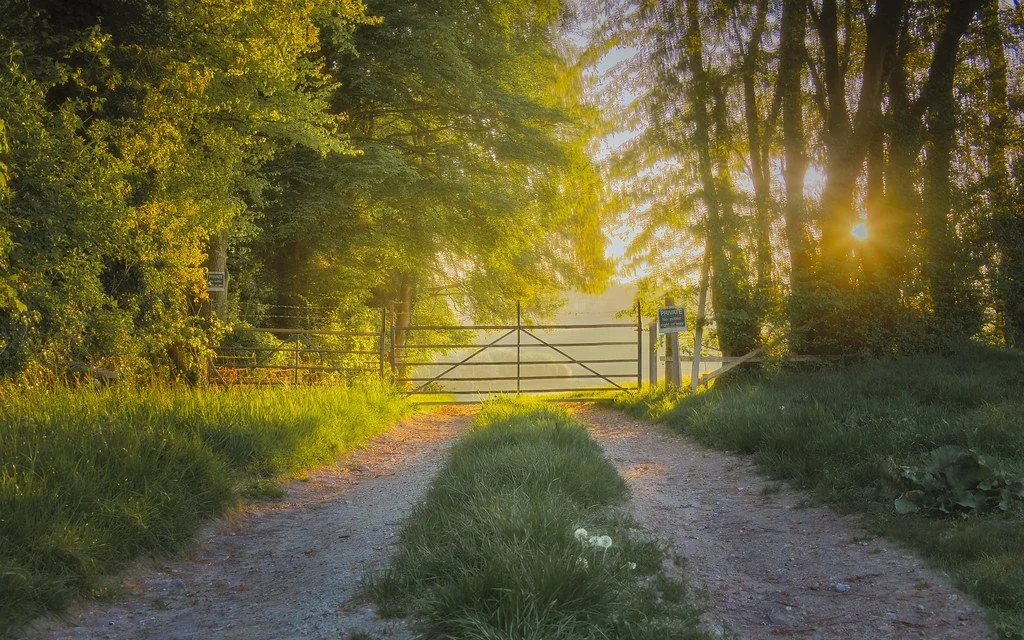
I normally only shoot in Black and White, but some images just demand colour.
Seeing Differently
Step outside. The world narrows to what’s in front of you. Your mind clears. Paths you’ve walked a hundred times feel like new adventures. Photography gives focus — a reason to move, a reason to notice.
Through the lens, colours pop, lines align, shadows stretch. Tiny details you’d never notice otherwise come into view. It’s deeply meditative and quietly compulsive, gently teaching you to look closely and see the world differently — more clearly, more thoughtfully, with a renewed sense of calm awareness.
Photography trains your eye, your mind, and your patience, shaping the way you move through life even when the camera is down.
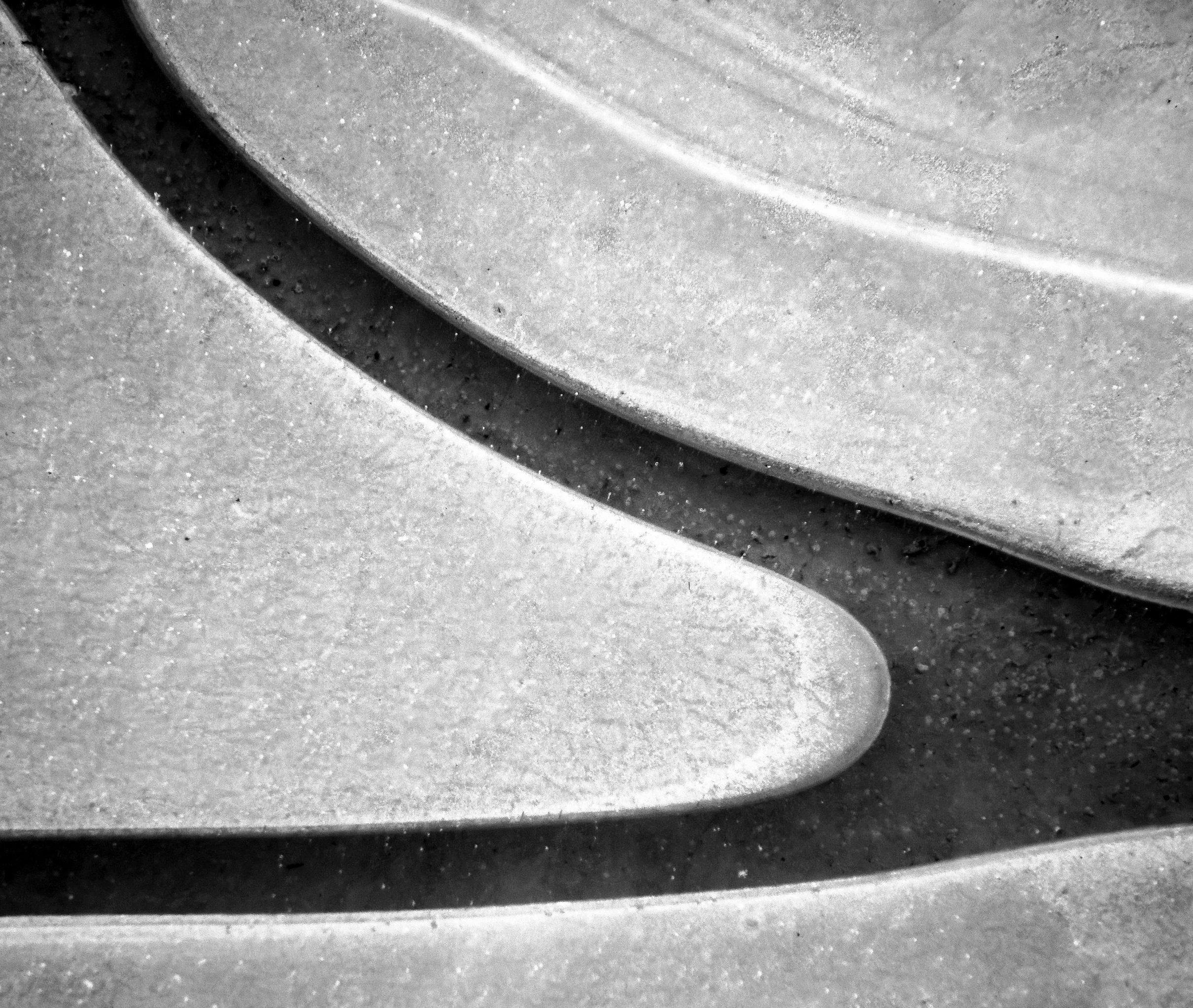
Abstract image of ice formed on a puddle.
A Conversation with Light
At its core, photography is the art of observation, but the most profound observation is often reserved for the nature of light itself. Light is the central character in every image, dictating mood, volume, and atmosphere. Different kinds of light carry distinct emotional signatures.
The soft, diffused light of an overcast day can suggest melancholy, intimacy, or a quiet drama. The harsh, brilliant contrast of midday sun creates graphic, almost abstract shapes, demanding a bold, sculptural approach. The coveted 'golden hour'—the fleeting time after sunrise or before sunset—bathes the world in warmth and dimensionality, transforming the ordinary into the sublime and reinforcing a sense of wonder and fleeting beauty.
To be a photographer is to enter into a perpetual conversation with light. It involves chasing it, waiting for it, and sometimes manipulating it. Shadows, often seen as the absence of light, are equally vital, providing depth, mystery, and counterpoint. Without shadow, a photograph is flat and lifeless; with intentional shadow, it gains complexity and intrigue. Mastering this dialogue means understanding that the same subject photographed under different light conditions will tell fundamentally different stories.
This understanding also informs the choice of colour. For some, the world is best rendered in the purity of black and white, stripping away the distraction of colour to focus purely on form, light, tone, and texture. Black and white distils the image to its emotional and structural essence, often lending it a timeless, formal quality.
For others, colour is indispensable, a vibrant language of its own. A photographer choosing colour is using saturation and hue to convey specific feelings—the jarring intensity of a neon sign, the comforting green of a deep forest, or the cold blue of an urban night. The choice between colour and monochrome is not arbitrary; it is a foundational creative decision that shapes the viewer's immediate emotional and intellectual response to the image.
The Search for Personal Voice
As a person progresses in photography, the question shifts from "How do I take a good photograph?" to "What is my photograph?" This is the search for a personal voice, the hardest and most rewarding part of the journey. In the beginning, we are all students, copying the works that inspire us, learning composition rules, and mimicking techniques. But true satisfaction comes from moving beyond imitation to genuine expression.
Your personal voice is the convergence of your history, your preferences, your obsessions, and the unique way you interpret the world. It’s what makes your images immediately recognisable, even without a signature. It involves the subjects you are repeatedly drawn to—abandoned places, faces, movement, geometric abstracts—and the consistent way you render them. Do you prefer wide, expansive views, or are you drawn to the intimate, isolated detail? Is your work clean and formal, or messy and spontaneous?
This voice is forged through self-interrogation and commitment. It requires the photographer to turn the lens inward, asking not just what they are seeing, but why they feel compelled to capture it. The process is one of editing and refinement: discarding the images that feel generic and treasuring the ones that feel authentic, raw, and slightly uncomfortable.
Every frame becomes, in a sense, a self-portrait, revealing the photographer's internal state, their interests, and their values. The development of a signature style is less about finding a new trick and more about stripping away everything that is not essential, leaving only the pure, distilled expression of the individual looking through the lens.
This personal voice is what ultimately allows the photograph to connect with the viewer on a deeper, more resonant level, because sincerity is universally understood.
Connection and Meaning
Even if no one sees your images, photography is about connection. To the world. To memory. To yourself. Every image is a mirror. Every frame a fragment of your life.
Some photographs tell stories. Some hold feelings you can’t put into words. Some exist to be shared, others to be quietly treasured. Each one asks the same question: what draws you? What matters to you? What do you notice? This connection is two-fold: a connection outward to the world and inward to the self. The act of sharing an image extends this connection further, turning a private moment of seeing into a public point of dialogue. A great photograph acts as a universal bridge, using a specific, frozen moment to evoke a shared human emotion or memory. It can stir empathy for a stranger's life, recall the feeling of a long-forgotten day, or offer a new perspective on a familiar object.
Whether shared or kept secret, the body of work you create becomes a cumulative document. It's a visual journal of where you went, how you felt, and what you cared about during a specific segment of your life. Photography is fundamentally an act of filtering and selection, and what you choose to keep and what you choose to discard speaks volumes.
It's an ongoing, living history, a collection of intentional memories. It helps you see not just the world, but your place within it, providing a profound sense of rootedness and observation. The camera is simply the tool; the meaning, the connection, the legacy—that is the work of the human heart behind the eye.
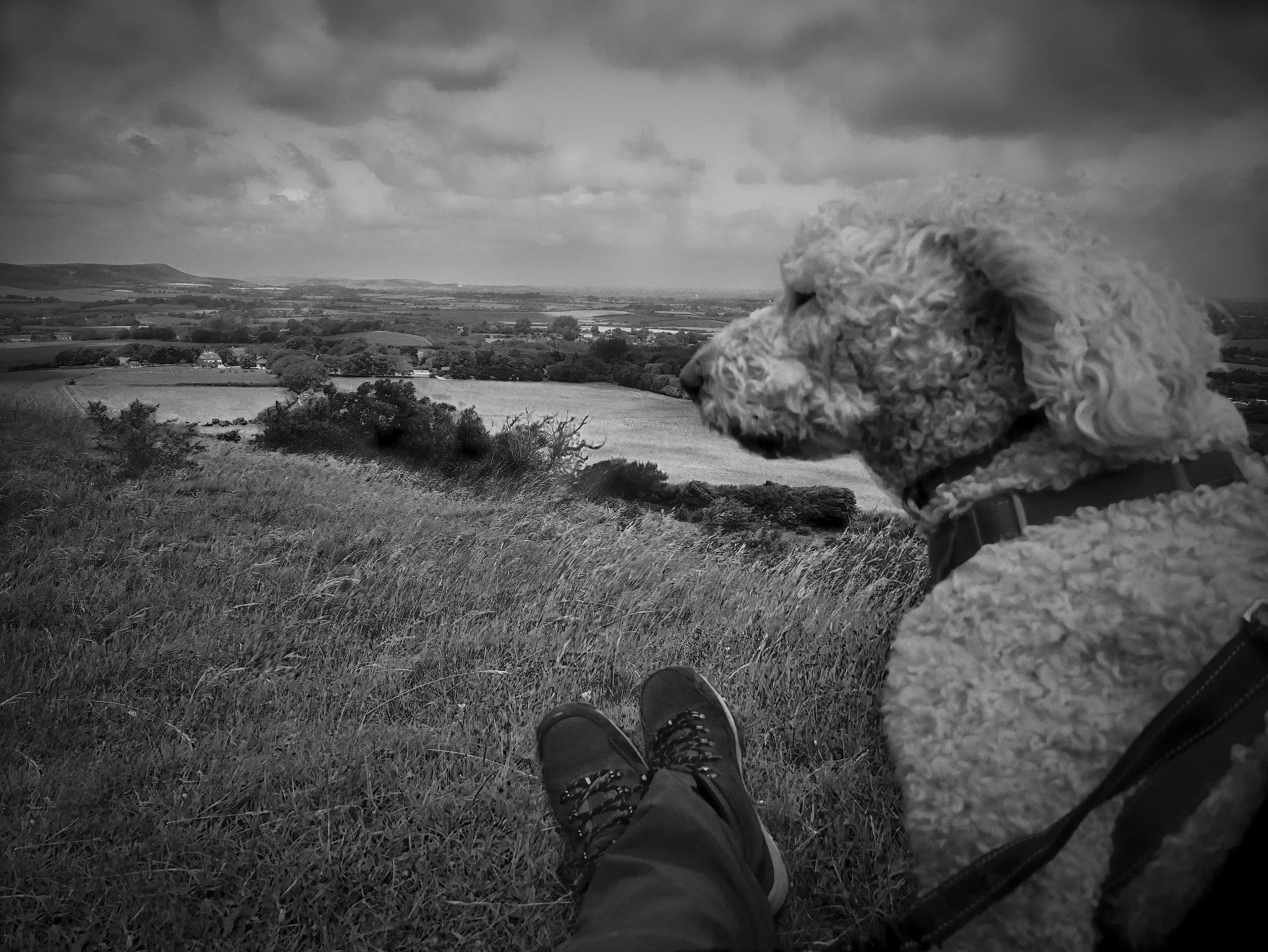
Special moments, taking a break with Elvis in the South Downs.
Legacy and Reflection
Photography is proof. Proof that you were here. Proof that you noticed, cared, felt. Even the smallest snapshot — a street corner, a sunset, a laugh — becomes part of the story you leave behind.
It’s memory. Creation. Escape. Observation. Connection. A habit, a compulsion, a thrill. But above all, it’s personal.
So ask yourself, what draws you to photography? The answer isn’t in technique or gear. It’s in the act itself. It’s in noticing. It’s in seeing, and the beautiful thing is — we all see differently.