Discovering the Chiltern Hills.
Originally from Cornwall, and having moved around a lot as my father served in the Military, I eventually spent a significant period in Herefordshire, so I’ve always considered myself a country boy at heart. About seven years ago, I moved to the outskirts of Slough in Buckinghamshire to be with my partner, and just last year we settled into our own place in a small village on the very edge of the Chiltern Hills, still within Buckinghamshire. The change in scenery has been very welcome, and with it, my passion for walking and landscape photography continues. As someone who still loves a good hike, I realised I’d moved to the edge of a landscape that was ideal for walking. The chance to explore on foot has been a constant source of inspiration. I’m excited to share how I’ve begun my own journey of discovering the Chiltern Hills.
A Tapestry of Countryside
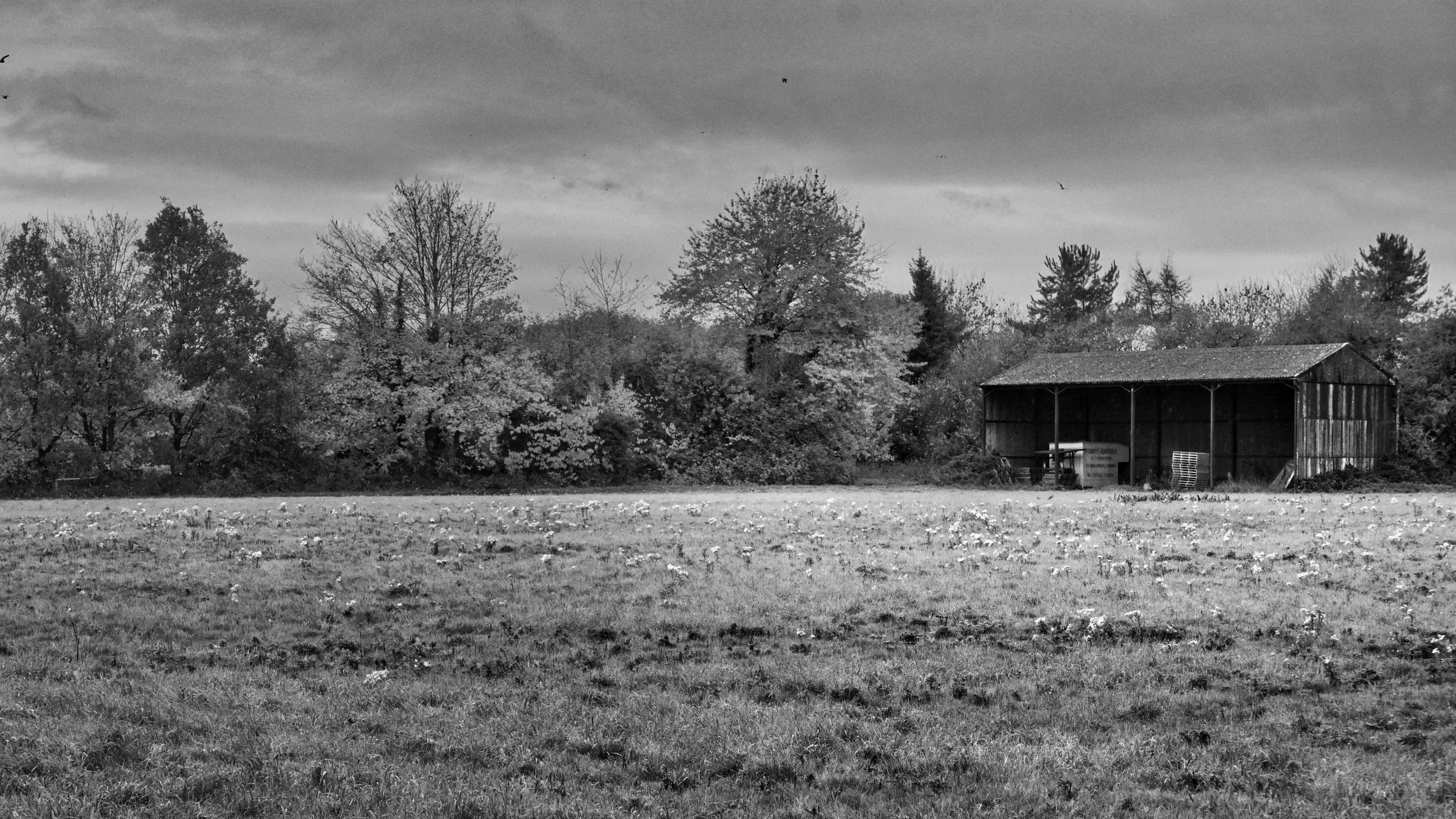
The charm of the Chiltern Hills isn’t rooted in a single type of scenery — it’s a varied, changing landscape that reveals itself differently from walk to walk. On one day you might find yourself crossing open, gently rising fields; on another, following farmland edged with barns and hedgerows that speak quietly of long-established patterns of work and use.
Wander a little further and those open spaces give way to chalk slopes, woodland, and sheltered valleys. The ease with which the landscape shifts makes the area well suited to both longer, more deliberate walks and shorter, unhurried loops. Chalk paths underfoot, beech woods, and small streams all shape the character of a walk, adding contrast and rhythm without ever feeling dramatic or overstated.
To me, the Chilterns are a place of balance: open skylines and enclosed woodland, farmland and water, broad views and small, contained moments — layered together in a way that doesn’t demand attention, but rewards it.
Villages and Footpaths
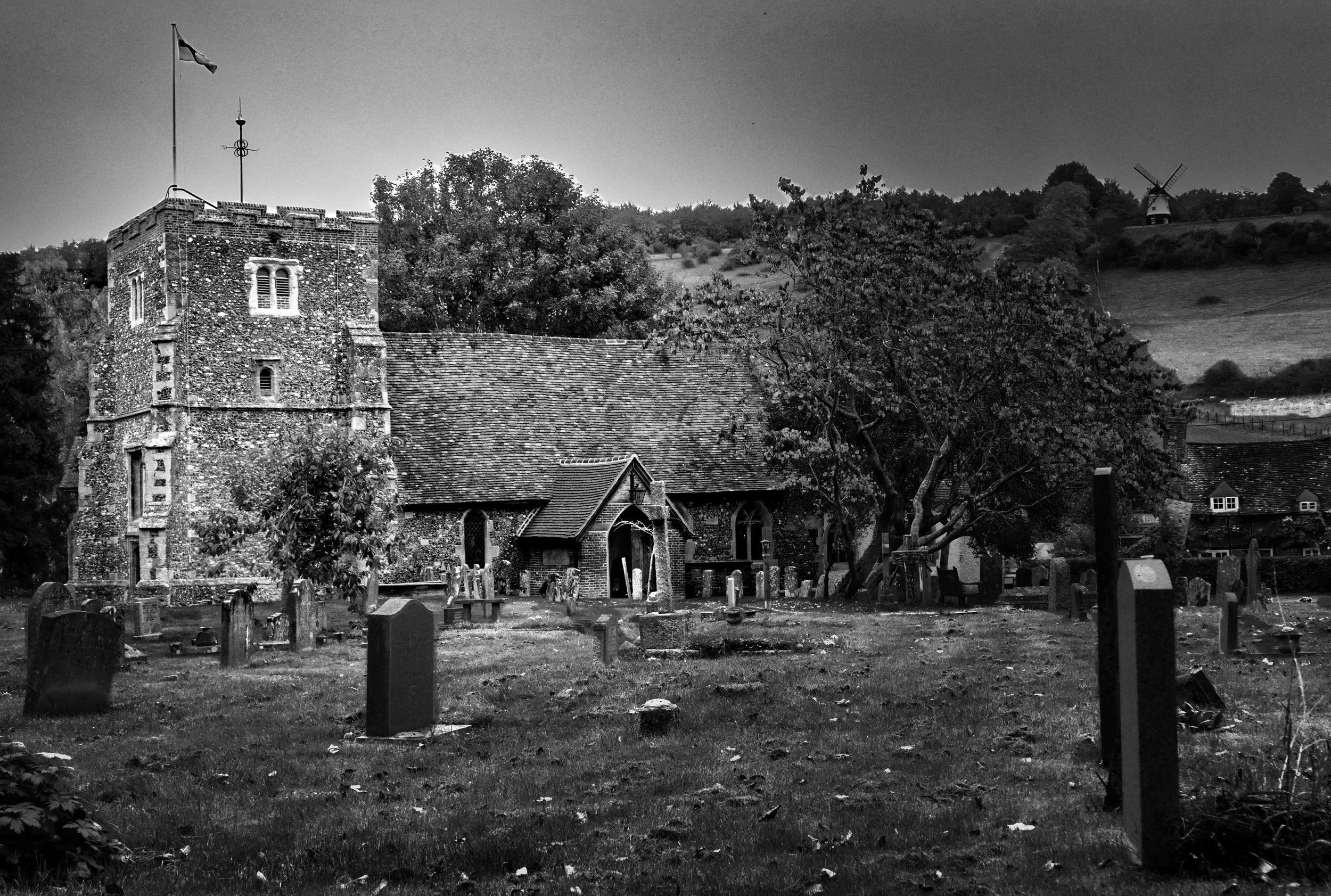
More than just landscapes, this region is steeped in history. Walking through the old villages — with their timber‑framed cottages, flint churches, narrow lanes, and stone walls — feels like stepping back in time. Every footpath or bridleway seems to carry the silent weight of centuries of walkers, farmers, traders, and villagers.
The network of public footpaths and bridleways here is impressive, linking villages, farms, and market towns, many along routes that have existed for hundreds of years. Some of these paths form part of much larger stories. Long-distance routes such as the Chiltern Way, a circular trail that threads its way through hills, woods, villages, and valleys, and The Ridgeway, often described as Britain’s oldest road, pass through or brush against the area. Even when I’m only walking a short local loop, there’s often the quiet sense of stepping onto something older and more connected — a path that has carried far more footsteps than my own.
The area links past and present through its villages and long-established routes. For anyone who loves history as much as I do, walking here is more than a hike. It's a living exploration of how people have lived, moved, and connected with the land across generations.
Seen on Screen
One of the things that adds an extra layer of magic to walking these hills and villages is how often the Chilterns have appeared on screen. Certain villages have a strangely familiar quality — as if you recognise them even before you know why.
Turville – most famously, it stood in for the fictional village of Dibley in The Vicar of Dibley. The nearby Cobstone Windmill appeared in Chitty Chitty Bang Bang. Turville has also featured in episodes of Midsomer Murders.
Hambleden – Quiet lanes, flint cottages, village church, and timeless architecture have made Hambleden a choice location for classic films and TV dramas.
Amersham (Old Amersham / Amersham-on-the-Hill) – Medieval-style streets and historic buildings have appeared on screen multiple times, representing different eras and settings.
Walking through these places now, there’s often a surreal sense of treading through a film set, adding a quiet thrill to an ordinary country walk.
Life Along the Way
The Chiltern Hills are home to a surprising variety of wildlife, much of it observed along the footpaths and in the woodlands. Roe deer are common, often glimpsed grazing in the valleys or slipping silently through the trees. Foxes, rabbits, and muntjac add movement to the hedgerows and meadows, while red kites, buzzards, and occasional kestrels patrol the skies above the ridges.
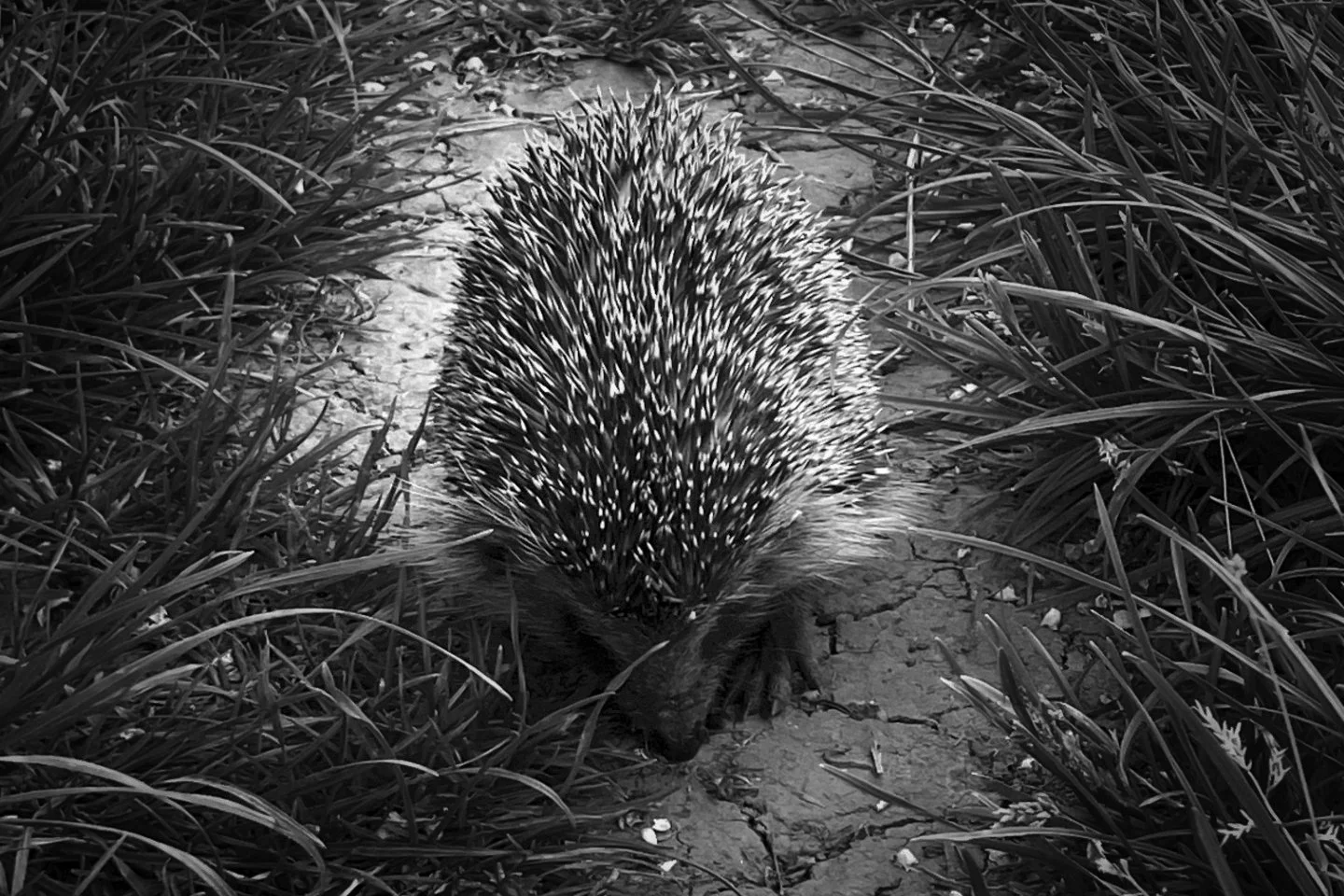
The chalk hills themselves support unique habitats. Beech woodlands, ancient coppices, and chalk grasslands are home to a range of birds, insects, and small mammals. Woodland floors can reveal signs of badgers, stoats, and hedgehogs, while in spring and summer butterflies and bees thrive among the wildflowers and hedgerow blooms. Riverbanks and small streams bring another layer of life — herons and kingfishers are occasional rewards for those who walk quietly and observe.
For anyone exploring the Chilterns, taking the time to notice these details — the rustle in a hedge, the sudden shadow of a bird overhead, or the tracks left in a muddy path — adds a new dimension to every walk. The wildlife isn’t just scenery; it’s part of the walk itself, noticed in passing rather than sought out.
Choice of Paths
One of the greatest strengths of the Chiltern Hills is the huge variety of walking routes on offer. No matter your energy level, interests, or available time, there’s almost always a walk that fits.
For long, challenging walks: The steep chalk escarpments and ridge‑top paths give a good workout and offer sweeping views over the countryside. These are days for sturdy boots, a packed lunch, and perhaps a camera with a bit of reach.
For gentle or family‑friendly outings: Valleys, farm tracks, riverside paths, and village-to-village footpaths offer calm, accessible walks, ideal for a quiet morning or slow afternoon.
For flexibility and variety: Many walks can be customised — combining part of a ridge walk with a loop through a valley, or linking a village, woodland track, and river bank. Whether a short 4–5 mile wander or a full 12–15 mile hike with a pub stop, there are options.
This flexibility makes it easy to shape a walk around the day you have. You can follow your mood, the weather, your energy — and the landscape responds in kind, offering wide‑open views or secluded tranquillity as needed.
Walking and Photographing Here
For me as a photographer and walker, the Chilterns are more than just scenery — they’re a living canvas. Since moving here, I’ve explored the hills and lanes near my village, walking and photographing the area as I go.
Over time I hope to broaden this exploration. I want to walk and photograph as much of the Chiltern Hills as I can, documenting the seasons, villages, changing weather, and textures. And share all of it here on my website.
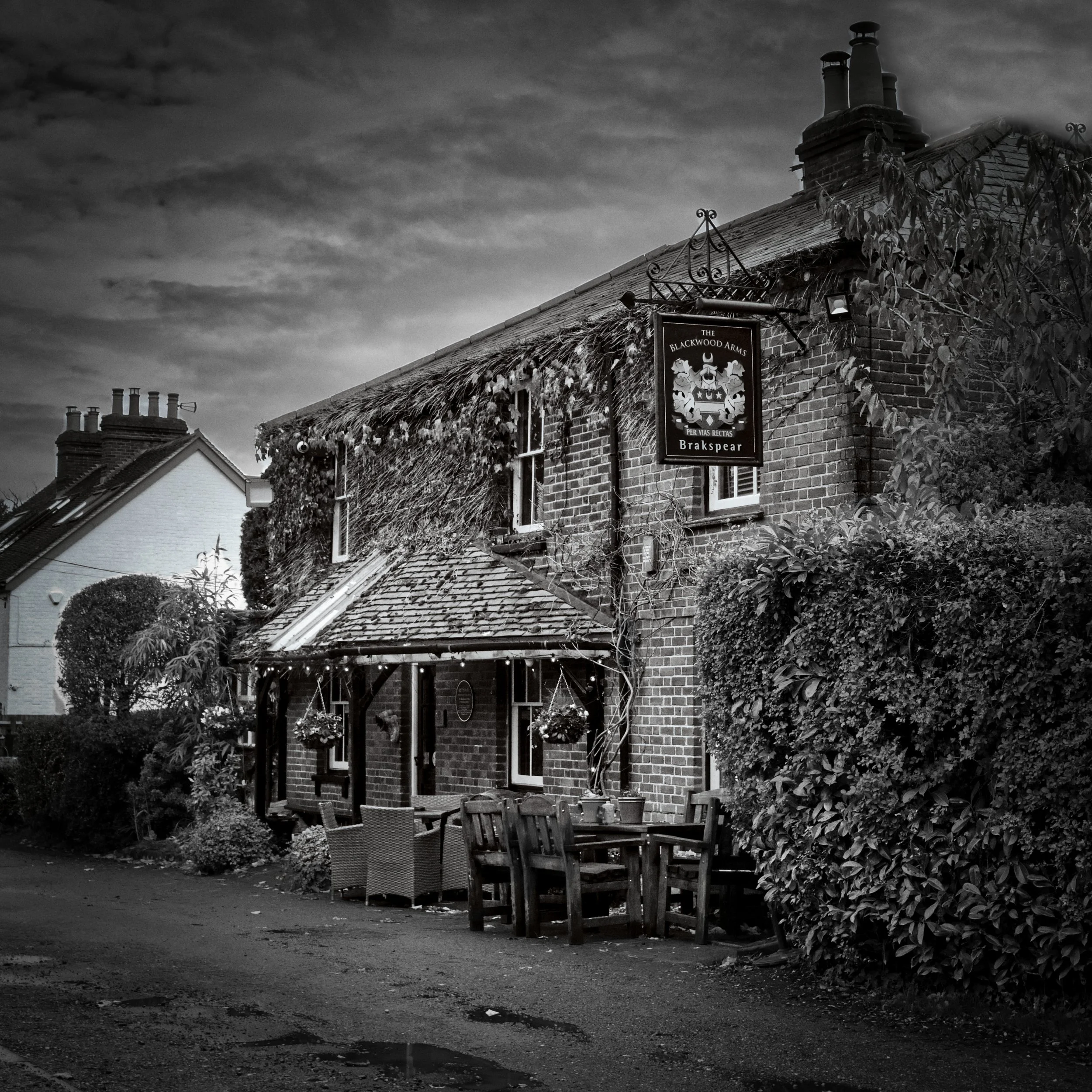
And yes — no proper British countryside ramble is complete without a visit to a village pub. The Chilterns don’t disappoint. Cosy pubs tucked in villages or along footpaths are perfect for a pint, a hot meal, and a moment to reflect on the day’s walk and photos. For me, that’s as much part of the walk as the miles underfoot.
A Place to Stay With
In the Chiltern Hills, I’ve found a place where walking isn’t about steps or distance. It’s about balance — between effort and ease, open ground and woodland, silence and the traces of history that sit alongside it.
In my younger years I chased miles and challenges up in the Black Mountains and on the Brecon Beacons in Wales. Here, the walks tend to be slower and less defined, shaped as much by time and light as by where a path leads.
This blog marks the beginning of a longer period of walking and photographing in the Chilterns. Over time, I plan to explore the hills, villages, and footpaths in more depth, returning to places as seasons change and the landscape reveals itself in different ways.
The Chiltern Hills don’t feel like a backdrop. They feel like somewhere to stay with — a landscape that holds memory, familiarity, and enough variation to keep me walking for years to come.